JILI365 Card Game Rules: Values, Ranking and Table Habits
Card and table games share four things: a fixed deck or draw with set card values, a ranking that decides who wins, a house rule for ties, and a rules screen that overrides anything you assumed.
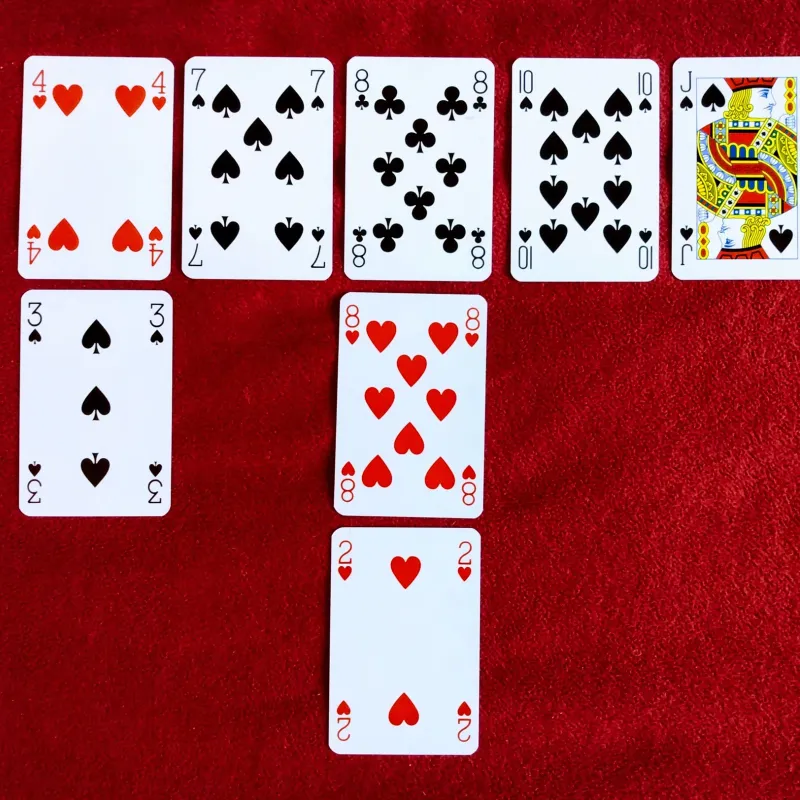
- JILI365 Tong Its
- Tong Its (written Tongits in the Philippines) is a three-player rummy game: draw, meld sets and runs, lay off cards by sapaw, and finish by emptying your hand, calling Draw, or holding the lowest count when the stock runs out.
- JILI365 Joker Card
- The joker card is an extra card outside the four suits.
- JILI365 Pontoon Rules, Hand by Hand Against Blackjack
- Pontoon is the British version of twenty-one.
- JILI365 Red Dog
- In casino Red Dog you ante, two cards are dealt, and you bet that a third card will rank between them.
- JILI365 Bingo Rules
- Bingo rules are simple: a caller draws numbers at random, you mark any that appear on your card, and you win by completing the pattern the game names, such as a line, four corners or a full card.
- JILI365 How to Play Color Game
- To play Color Game, put a chip on one or more of six colours, wait while three dice are rolled, then read the colours on top.
- JILI365 Keno Game
- In a keno game you pick numbers (spots) from 1 to 80, then 20 numbers are drawn at random.
- JILI365 Pekwa Card Game
- In the Pekwa card game (the Filipino name for Sevens or Fan Tan) all cards are dealt out and players add cards to a layout, starting each suit with its seven and building up and down.
- JILI365 Fan Tan Game
- The casino Fan Tan game has no cards.
Card and table games look different from each other, but they ask you to learn the same few things before the first stake. This page sets out what a card game’s rules always cover, then points you to a page for each game the lobby family commonly carries, so you walk in knowing what to read. Where a lobby lists a game, its own rules screen decides every number below. The wider lobby picture sits on the JILI365 casino overview page.
What card game rules always answer
Every table game answers the same five questions. Find the answer to each on the rules screen and you can sit at a table you have never played.
- What is in the deck or draw, and are any jokers dealt in?
- What is each card worth?
- What ranks above what?
- What happens on a tie?
- What is the smallest and largest stake?
A stake limit is counted in the table’s own unit; the bet unit meaning explained page shows how to read it. Write the limits down before the first hand so a session budget is set by you, not by the table.
Card values: what each card is worth
Card values change from game to game, and the same ace can be worth 1, 11 or the highest card in the deck.
| Game | Ace | Picture cards | Other cards |
|---|---|---|---|
| Pontoon | 1 or 11, holder’s choice | 10 each | Face value |
| Tong Its | 1 | 10 each | Face value |
| Pekwa (Sevens) | High or low by group | Ranked, not scored | Ranked, not scored |
Values matter most where you add cards up, as in the Pontoon rules against blackjack, and least where you only sequence them. The Tong Its rules with sapaw and melds count the unmatched cards left in your hand at the end.
Card ranking: what beats what
Card ranking is the order that decides a winner, and it is separate from value. In Tong Its the ace is low, so A-K-Q is not a run. In Pontoon the ranking is by hand type: a Pontoon, a Five Card Trick, 21 in three or four cards, then lower totals.
| Game | Order, best first |
|---|---|
| Pontoon | Pontoon, Five Card Trick, 21 in three or four cards, lower totals |
| Tong Its | Lowest unmatched count wins a count; Tongit ends the hand at once |
| Pekwa | No ranking: first empty hand wins |
Example: in Pontoon, 7-3-4-2-2 beats 9-8-4 even though both total 21, because five cards rank higher. Sources for both rankings are the Pagat rules pages, and a lobby’s version may add its own. Check the screen, not memory.
The shared habits of a card table
Three habits come up in almost every game.
| Habit | What it means for you |
|---|---|
| Ties | Some games give ties to the banker, some to a challenger; read it first |
| Passing | Sometimes legal only when no card plays, as in Pekwa |
| Jokers | In or out by game; see the joker card page on wild cards |
Dice and number games have their own versions of these habits. How to play Color Game and the bingo rules and winning patterns cover two without cards, while the keno game and its spot picks covers a draw-based one.
Games in this section
Each page covers one game’s rules in plain words, with the details a first-time player asks about. Pick by the kind of game you want to learn:
- Rummy-style melding: Tong Its.
- Banking card games: Pontoon and Red Dog.
- Layout games: Pekwa and Fan Tan.
- Dice and number games: Color Game, bingo and keno.
For layout games, the Pekwa card game from the sevens and the Fan Tan game at casino tables show the same idea in a home form and a table form. The Red Dog table game is a banking card game with its own payout rules.
Before your first hand: a short routine
Players who sit down cold tend to lose track of what the table asked for. Run this check each time you open a game you have not played before.
| Step | What to look at | Why it matters |
|---|---|---|
| 1 | Rules or info screen | It overrides any version you remember |
| 2 | Stake range | Sets the smallest and largest bet you can place |
| 3 | Payout list | Shows what each result pays, which differs by table |
| 4 | Tie and bust rules | Decide close hands |
| 5 | Your own session budget | A number you set before the first card |
A worked example: with a session budget of ₱2,000 and a minimum stake of ₱50 at an example table, you have room for 40 minimum hands before the budget is gone. That is arithmetic, not a forecast of results.
Match the game to how you like to play
Different games reward different habits, and none changes the odds in your favour. Rummy-style games ask you to remember discards and plan melds. Banking games ask you to decide when to stop drawing. Layout games mostly ask you to follow the sequence, and dice or number games ask for nothing but a stake.
| If you enjoy | Start with | Main thing to learn |
|---|---|---|
| Planning with a hand of cards | Tong Its | Sets, runs and the four ways a hand ends |
| Quick one-hand decisions | Pontoon | Buy, twist and stick |
| Following a sequence | Pekwa | Which card can legally go next |
| Picking from a short list | Color Game or keno | How the draw is paid |
Live tables and the rules screen
Live-dealer card tables are commonly supplied by studios such as the one described on the Evolution studio reference page. Open the lobby, search the title you want, and treat the rules screen as the contract for that table.
- Read the card values and the ranking.
- Read the tie rule and the payout list.
- Set a stake limit you can lose.
Payout ratios vary by table, so none are printed here. If a session stops being fun, the reality check on your play page is the next stop, and you must be 21 or over to play.
Guides in this section
FAQ
What are the basic card game rules every table shares?
A known deck, a value for every card, a ranking that decides a winner, a rule for ties and a stake limit. The specific numbers differ by game, so the table's own rules screen is the final word.
How do card values work?
Each game sets its own. In Pontoon an ace counts 1 or 11 and picture cards count ten; in Tong Its an ace counts 1 and picture cards count ten.
Is card ranking the same in every game?
No. Tong Its treats the ace as low, so A-K-Q is not a run, while Sevens commonly treats it as high. Always check the ranking of the game in front of you.
Ano ang pinakamadaling card game para sa baguhan?
Pekwa (Sevens) has the shortest rules: play a card next to one already out, and pass only when stuck. Tong Its is next, with melds and a few endings to learn.
Are all lobby games card games?
No. Lobbies mix card games, dice games such as Color Game, number games such as keno and bingo, and slots. Each has its own rules screen.
How do I find a card game in the JILI365 lobby?
Use the lobby's search box and the provider tabs. Where a lobby lists a title, open it and read the rules screen before you stake anything.